
Beware of False “Cures” for Autism
What you need to know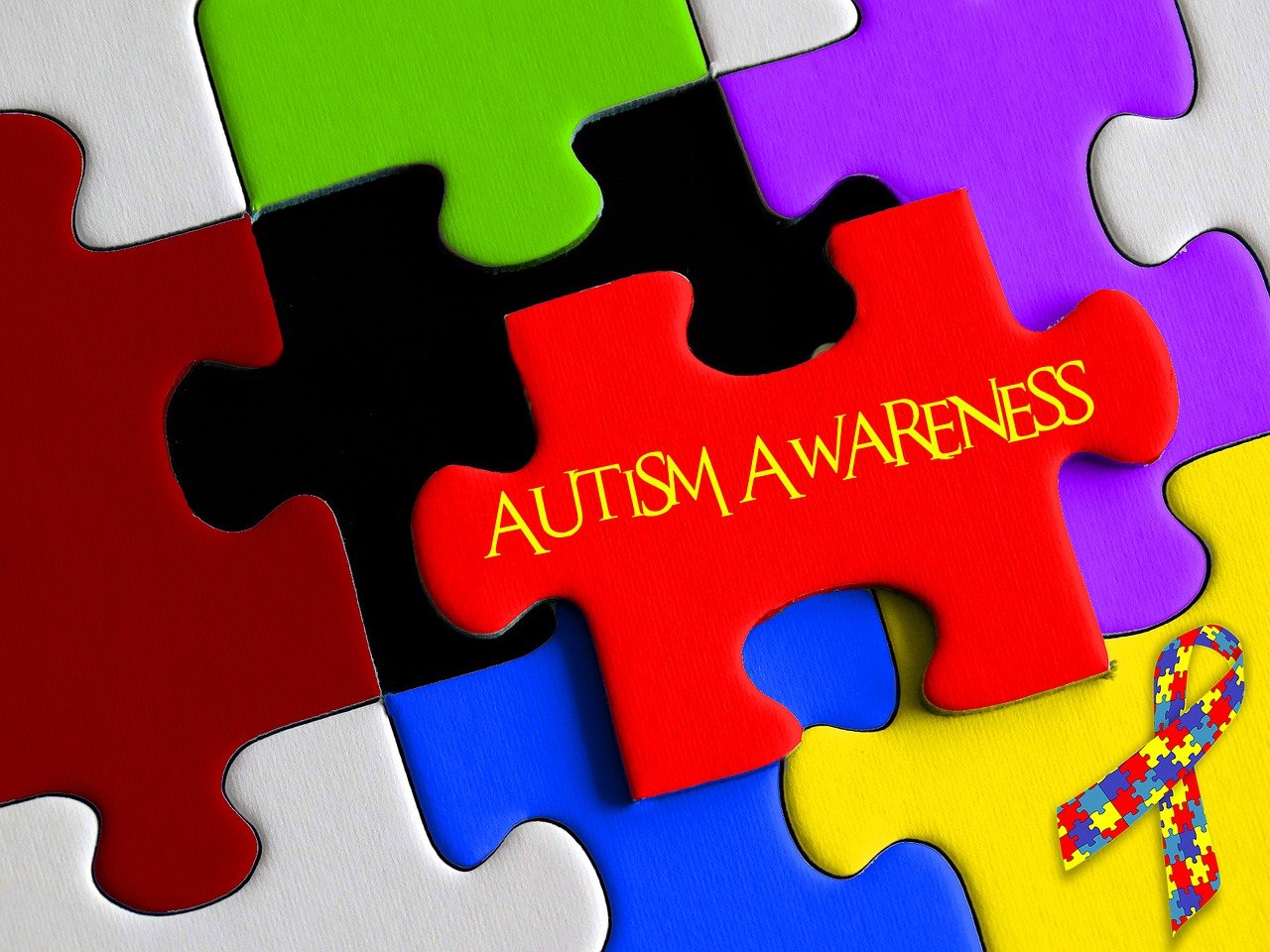
Unapproved and Potentially Harmful Products
Autism Spectrum Disorder (ASD) affects about 1 in 68 children, and while early behavioral therapies can help improve symptoms, there is no cure for autism. Unfortunately, some companies promote unproven products that falsely claim to treat or even cure ASD — and some can be dangerous.
What the FDA Wants You to Know
The FDA has acted against companies marketing unapproved and potentially harmful products that claim to treat autism. These include:
- Chelation Therapies (sprays, drops, baths): Meant to remove “toxins,” but can dangerously deplete essential minerals.
- Hyperbaric Oxygen Chambers: Only approved for specific medical uses — not autism.
- Detoxifying Clay Baths: Claim to “pull out toxins” through the skin — no evidence they help.
- MMS (chlorine dioxide), raw camel milk, essential oils, and others: Heavily marketed, not scientifically proven, and can pose real health risks.
FDA-Approved Treatments Exist — But Only for Specific Symptoms
There are two FDA-approved medications to manage irritability associated with autism:
- Risperidone (ages 5–16)
- Aripiprazole (ages 6–17)
These medications help with specific symptoms — not autism itself — and should only be used under medical supervision.
Real Help for ASD
- Early behavioral interventions can improve communication and daily living skills.
- Treatment should be tailored to the individual’s needs.
- Work with licensed healthcare professionals, not unregulated products.
Watch Out for These Red Flags
- “Quick fixes” or “miracle cures”
- Claims to treat a wide range of unrelated conditions
- Personal stories with no scientific backing
- Secret ingredients or “breakthrough science”
If it sounds too good to be true, it probably is.
If you have questions about therapies or treatments, talk to a doctor who specializes in autism. Trust science — not sales pitches.
FDA Approves Anktiva for Bladder Cancer
New Drug Approval In a significant development for patients battling BCG-unresponsive non-muscle invasive bladder cancer (NMIBC), the Food and Drug Administration (FDA) has granted approval to nogapendekin alfa inbakicept-pmln, marketed as Anktiva by Altor...
Health Alert Regarding Rare Pregnancy Complication
FDA Safety Communication In a recent health safety alert, the U.S. Food and Drug Administration (FDA) has cautioned healthcare professionals about the rare risk of intrahepatic cholestasis of pregnancy (ICP) associated with the use of thiopurines, including...
Risks with Exactech Equinoxe Shoulder System
FDA Safety Communication April 19 Update: Exactech has initiated a recall to remove Equinoxe Shoulder System devices packaged in the defective bags from facilities’ unused inventory. To see if your device is affected by the recall, visit Exactech’s Recall...