
Cosmetics
FDA and international regulation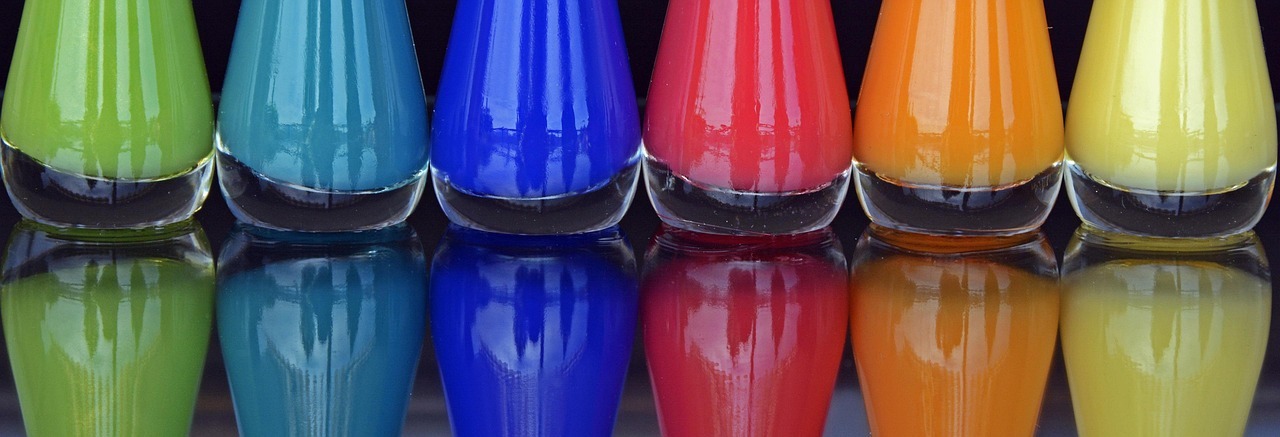
FDA Regulation of Cosmetic Products
Cosmetics are a part of daily life for millions of people—but what many consumers and businesses don’t realize is that cosmetic products are regulated by the U.S. Food and Drug Administration (FDA). While cosmetics do not require FDA approval before going to market, they must be safe for use, properly labeled, and free from misleading claims.
This page provides a clear overview of how the FDA regulates cosmetics under the Federal Food, Drug, and Cosmetic Act (FD&C Act), the distinctions between cosmetics and drugs, and the responsibilities of manufacturers and distributors. Whether you’re a consumer, formulator, or importer, understanding these regulatory requirements is essential to ensure compliance and protect public health.
Definition of a Cosmetic (Per FD&C Act, Sec. 201(i))
The FDA defines a cosmetic as:
“Articles intended to be rubbed, poured, sprinkled, or sprayed on, introduced into, or otherwise applied to the human body… for cleansing, beautifying, promoting attractiveness, or altering the appearance.”
This includes:
- Skin moisturizers
- Perfumes and colognes
- Lipsticks and nail polishes
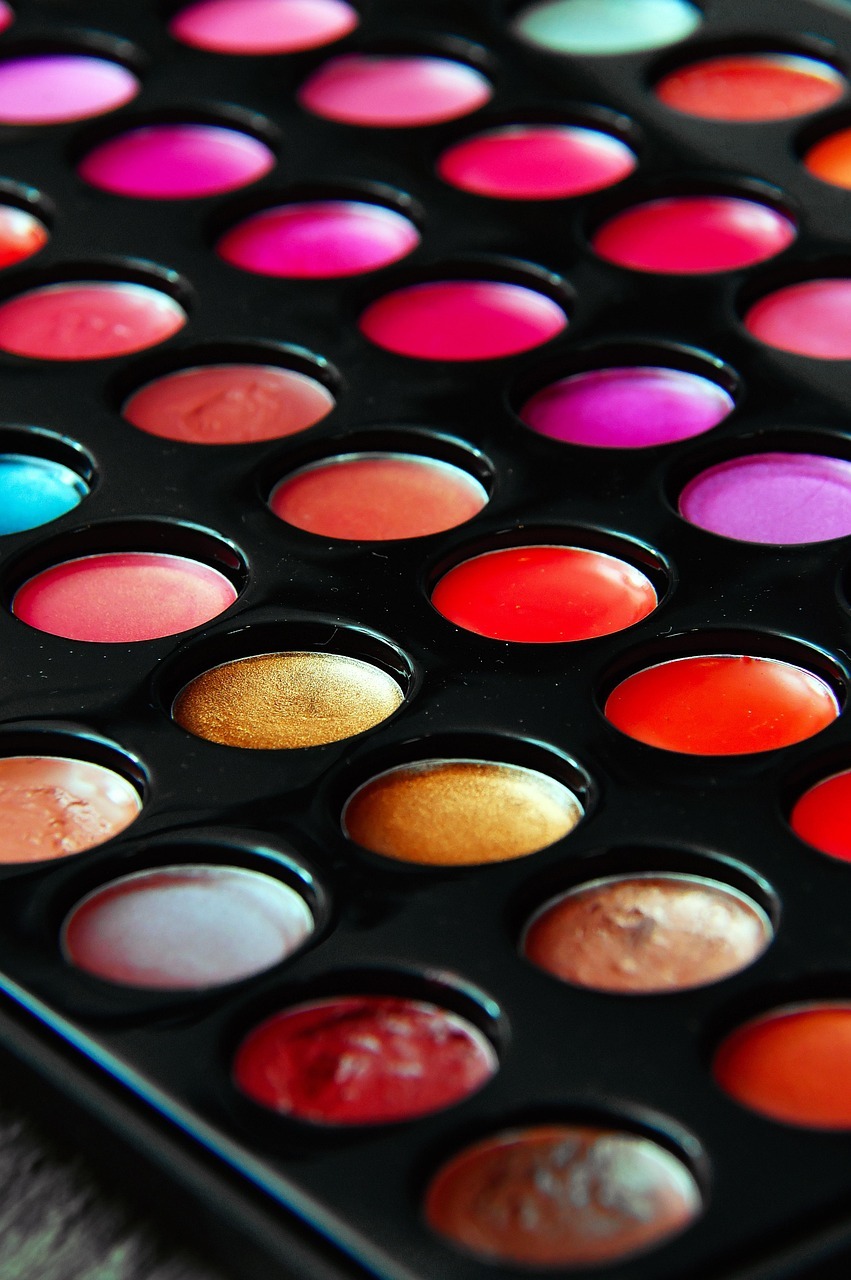
- Makeup (foundation, eyeshadow, etc.)
- Shampoos, conditioners
- Deodorants (but not antiperspirants—those are drugs)
NOT included: Products that are intended to treat or prevent disease or affect the structure/function of the body – these are drugs, even if they are applied topically.
Key Regulatory Features
- Pre-market Approval
- No FDA premarket approval is required for most cosmetics.
- Exception: Color additives (e.g., dyes used in eye makeup) must be FDA-approved for their specific use.
- Labeling
- Must comply with 21 CFR Part 701 (labeling) and 740 (warning statements).
- Requires:
- Identity of the product
- Net contents
- Ingredient declaration (descending order)
- Manufacturer/distributor info
- Any necessary warnings
- Good Manufacturing Practice (GMP)
- Unlike drugs, there are no mandatory GMP regulations for cosmetics—but the FDA recommends following voluntary GMP guidelines to ensure safety and quality.
- Adverse Event Reporting (MoCRA Update, 2022)
The Modernization of Cosmetics Regulation Act (MoCRA) now requires:
- Serious adverse event reporting (as of December 2023)
- Facility registration and product listing (with FDA, beginning July 2024)
- Safety substantiation: Companies must maintain documentation that products are safe under labeled conditions of use
- Identification and Listing
- Product listing and facility registration are voluntary (historically) but become mandatory under MoCRA.
- No National Drug Code (NDC) or formal registration number is required (unlike drugs).
Key Distinctions:
|
Feature |
OTC Drug |
Cosmetic |
|
Primary Purpose |
Treat or prevent disease, or affect body function |
Cleanse, beautify, or alter appearance |
|
FDA Premarket Approval |
Required (for NDA); not for monographs |
Not required (except color additives) |
|
GMP |
Mandatory (21 CFR 210/211) |
Voluntary (but encouraged) |
|
Labeling Requirements |
Strict (Drug Facts panel) |
Identity, contents, warnings |
|
Adverse Event Reporting |
Required |
Required under MoCRA |
International Notes
- EU: Cosmetics are highly regulated under Regulation (EC) No. 1223/2009. Products must have a Responsible Person, undergo a safety assessment, and be registered in the CPNP database.
- Canada: Regulated by Health Canada; require Cosmetic Notification Form, proper labeling, and safety substantiation.
- Japan and ASEAN countries have similar frameworks with strict labeling and ingredient restrictions.
Plastic Syringe Safety: FDA’s Ongoing Evaluation
Today, the U.S. Food and Drug Administration (FDA) provided a crucial update regarding the quality and performance issues associated with plastic syringes made in China. This announcement follows the agency's previous safety communication issued on November 30, 2023,...
Original FDA Safety Warning for China-made Syringes
In an announcement dated November 30, 2023, the U.S. Food and Drug Administration (FDA) issued a notice regarding the evaluation of potential device failures associated with plastic syringes manufactured in China. The FDA is actively collecting and analyzing data to...
AvKARE Recalls Atovaquone Oral Suspension
AvKARE Recalls Atovaquone Oral Suspension AvKARE, LLC has issued a voluntary recall of lot # AW0221A of Atovaquone Oral Suspension, USP 750mg/5mL due to potential Bacillus cereus contamination found during stability testing at a third-party lab. The affected...