Elite Treats Recalls Chicken Chips for Dogs Due to Salmonella Risk
On February 24, 2026, Elite Treats, LLC. announced a recall of a single lot of Chicken Chips for Dogs due to potential contamination with Salmonella — a pathogen that poses risks to both animal and human health.
What Is Being Recalled
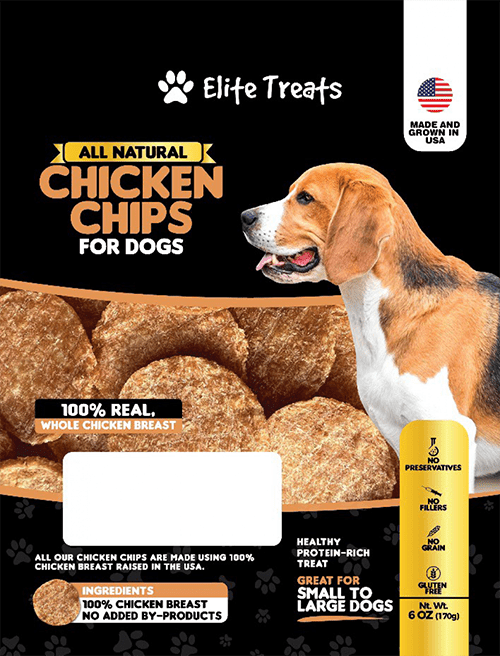
- Product: Elite Treats Chicken Chips for Dogs
- Size: 6-ounce bag
- Lot Number: 24045
- Expiration Date: April 2027
- Packaging: Black and gold bag
Distribution occurred through feed stores in Alabama, Florida, Georgia, North Carolina, and South Carolina, and no illnesses have been reported to date.
Why This Matters
Unlike some pet food risks that affect animals alone, Salmonella contamination represents a dual exposure hazard.
Risks to Pets
Infected dogs may exhibit lethargy, diarrhea (including bloody diarrhea), vomiting, fever, decreased appetite, and abdominal pain.
Some animals may carry Salmonella without showing symptoms, which may increase the risk of household transmission.
Risks to Humans
Humans may be exposed through handling contaminated pet food and contact with infected pets or contaminated surfaces (bowls, counters, utensils).
Symptoms in people may include nausea, diarrhea, fever, and abdominal cramps.
In rare cases, serious complications such as arterial infections, endocarditis, arthritis, or urinary symptoms may occur, particularly in vulnerable populations.
Root Cause and Detection
The contamination was identified through third-party laboratory testing conducted on a related, unreleased lot of the same product.
This triggered a proactive recall of the commercially distributed lot.
Guidance for Consumers
Pet owners should stop using the recalled product immediately, dispose of it securely (do not donate or sell), sanitize food bowls and storage containers, and wash hands thoroughly after handling.
If pets show symptoms, veterinary consultation is advised.
MDP Veterinary Insight
This recall highlights a recurring regulatory and quality theme. In pet food, contamination risk extends beyond product safety into household exposure risk.
Unlike nutritional recalls (such as thiamine deficiency), microbial contamination introduces a public health dimension, elevating regulatory scrutiny and liability exposure.
From a quality systems perspective, this reinforces the importance of environmental monitoring, supplier controls, finished product testing, and robust lot traceability.
The fact that contamination was detected in a related, unreleased lot demonstrates the value of upstream testing and preventive controls. Practices increasingly expected across both human and veterinary product sectors.
Links
Read the recall notice here.