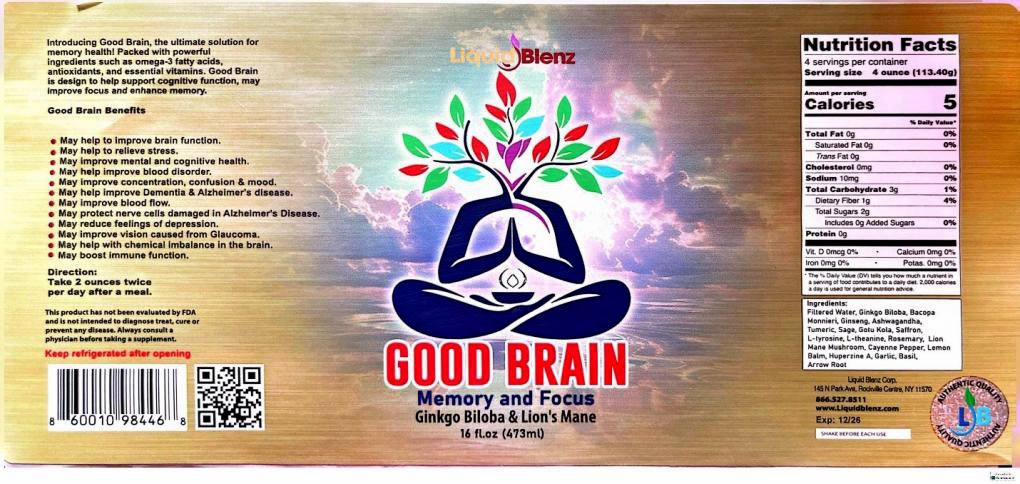
Good Brain Tonic Recall: Liquid Blenz Removes Beverage Due to Botulism Risk
FDA Issues Nationwide Alert for “Memory and Focus” Drink
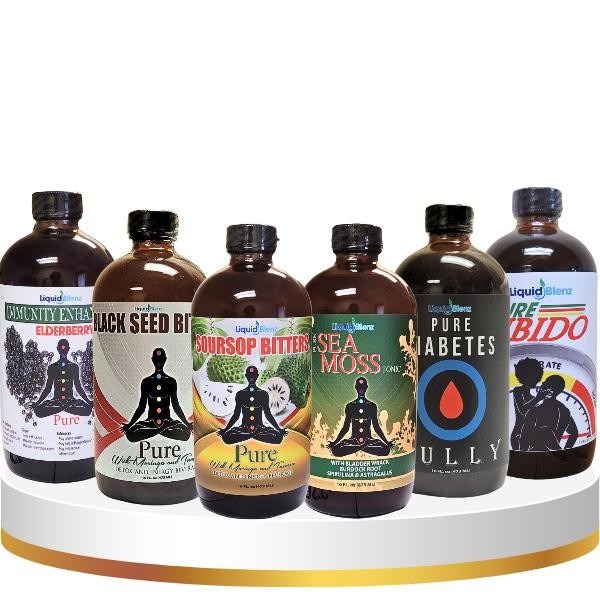
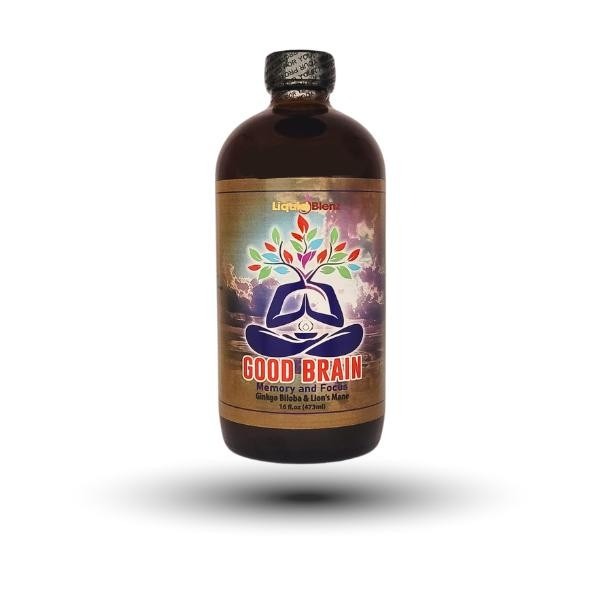
Liquid Blenz Corp. has issued a nationwide recall of its Good Brain Tonic beverage due to the potential risk of botulism, a rare but potentially fatal form of foodborne illness. The recall has been published by the U.S. Food and Drug Administration and applies to all lots of the product. The products were distributed nationwide through retail stores and online sales.
Affected Product
Product Name: Good Brain Tonic
Sizes: 16 oz and 32 oz
Packaging: Amber bottles with plastic caps
UPC Codes: 16 oz: 860010984468, 32 oz: 860010984475
Reason for Recall
The product is being recalled due to potential contamination with botulinum toxin. Botulism is a severe and potentially life-threatening condition that can cause general weakness and dizziness, double vision, difficulty speaking or swallowing, muscle weakness and paralysis, and breathing difficulties. Consumers experiencing these symptoms should seek immediate medical attention.
Reported Events
No illnesses have been reported to date. The issue was identified through laboratory analysis and regulatory inspection findings, indicating a potential risk of botulism. Laboratory analysis was performed by the Cornell Food Venture Center, and New York State food safety inspectors did field testing.
What Consumers Should Do
Consumers are advised to stop using the product immediately and return it to the place of purchase for a full refund. For questions, contact Liquid Blenz Corp. at +1 516-608-8826.
MDP Analysis
Food, Beverage, or Dietary Supplement? A Regulatory Gray Zone
This product raises an important regulatory question. Is this a conventional beverage, or a dietary supplement in disguise?
The label and marketing claims include “Memory and Focus” and the products contain ingredients such as Ginkgo Biloba, Lion’s Mane, Turmeric, and Bacopa. The ingredients are commonly associated with dietary supplements, not traditional soft drinks.
Why This Matters
Regulatory classification determines applicable safety standards, manufacturing controls, labeling requirements, and permissible claims. If a product is marketed as a conventional food but functions as a supplement, it may fall into a compliance gray area.
Botulism Risk: A Serious Processing Failure
Botulism risk in beverages typically indicates improper acidification or pH control, inadequate thermal processing, and/or failure of preservation systems. This suggests a potential breakdown in food safety controls, process validation, and hazard analysis (HACCP).
What This Means for Manufacturers
This recall highlights several critical issues. Functional beverages with supplement-like ingredients require careful regulatory classification. Low-acid or improperly processed beverages can create conditions for botulinum toxin formation. And process validation and microbial controls are essential for consumer safety.
Products positioned at the intersection of food and supplements carry elevated regulatory risk
Related Regulatory Topics
Related regulatory topics include Food vs. Dietary Supplement Classification, Labeling and Claims Compliance, Process Validation and HACCP, and Risk Management and Consumer Safety.
If You Manufacture Similar Products
Manufacturers of functional beverages, nutraceutical drinks, or supplement-like products should consider reviewing their product classification and regulatory positioning, evaluating processing controls and microbial risk mitigation, assessing labeling and marketing claims, and ensuring compliance with applicable food or supplement regulations.
MDP Insight: When Beverages Blur into Supplements
This product illustrates a growing category of “functional beverages” products marketed for cognitive or health benefits using ingredients commonly found in dietary supplements.
These hybrid products can introduce additional regulatory and safety challenges because they may be marketed as foods but formulated like supplements. They require strict food-level safety controls, including microbial risk management, and any processing failures like acidification or preservation can create serious risks such as botulism.
Products that combine supplement-style ingredients with beverage formats must meet robust food safety requirements, not just labeling and formulation considerations.