
The Invisible Outbreak
An untraced distribution of salmonella-contaminated productsContaminated Products Distributed Nationwide
How a contaminated Moringa shipment was spread across the U.S. supplement market, and why there were no additional recalls.
Sam’s Club announced a recall of its Member’s Mark Super Greens powder in late October 2025 due to potential salmonella contamination of an ingredient – moringa leaf powder.
After the importer of the potentially contaminated Moringa, Aftrica Imports, issued a joint recall notification with the FDA on November 12, most Americans may have assumed the issue was caught early and limited to a single product.
But the truth is far more troubling. The contamination traced back to a single bulk shipment of moringa leaf powder imported from India into the U.S. on June 5, 2025. And from that time until late October, the potentially contaminated ingredient was quietly distributed across the country and was used in a variety of dietary supplement products for five months.
What unfolded next is not just a story about a contaminated dietary supplement. It is a case study in how the Dietary Supplement Health and Education Act of 1994 (DSHEA) – the law that governs all supplement manufacturing in the United States – creates blind spots so large that a nationwide pathogen exposure event can occur without any ability to trace its scope, identify the affected products, or warn consumers.
This is the story the recall notice didn’t tell.
A timeline of failure: When contamination enters an unregulated supply chain
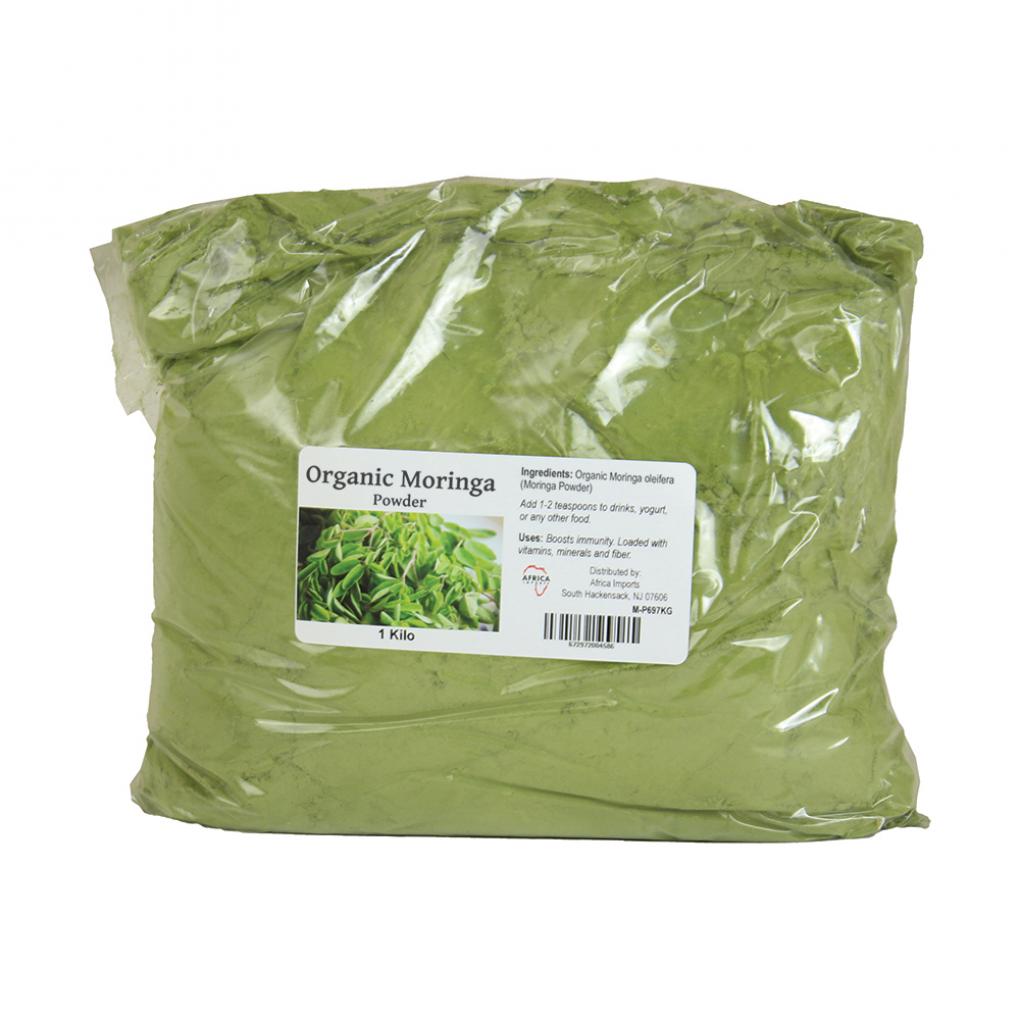
On June 5, Africa Imports of South Hackensack, NJ received a large shipment of bulk moringa leaf powder from Indian producer Vallon Farmdirect. It repackaged the moringa into 1 kg bags and sold them to manufacturers, blend houses, private-label suppliers, and online retailers across the country.
After that first sale, the law required no additional traceability. And because supplements are explicitly excluded from the modern FDA traceability rules (FSMA Section 204), the federal government has no mechanism to follow the ingredient downstream.
Under DSHEA and 21 CFR 111 (the current good manufacturing practices for supplements), an importer is only required to document its supplier, perform minimal receiving checks, and keep records of its first sale. DSHEA does not require the importer or any of its customers to test for pathogens like salmonella.
And there are no requirements for any company along the distribution chain to notify consumers, even if contamination was discovered.
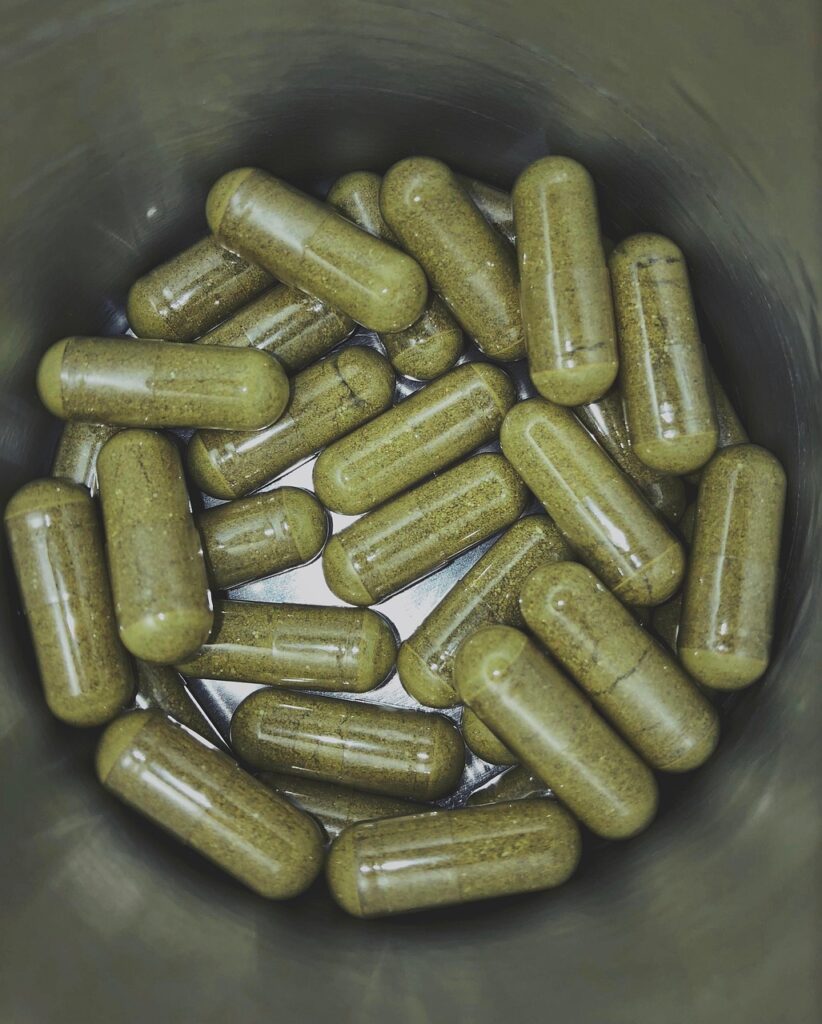
So, after Africa Imports sold the moringa powder, it became effectively invisible to regulators as it was incorporated into “super greens” powders, immune blends, smoothie boosters, multivitamin greens, moringa capsules, online private-label brands, and small-batch supplement mixes sold on Etsy and Amazon.

Available in paperback and eBook formats on Amazon.
Click on the image or this link to see the book on the Amazon website.
The only safety net? A sick consumer
The outbreak came to light only because one individual in Virginia became seriously sick, and state health officials tested the product they had been consuming. That single illness triggered laboratory confirmation, state-level traceback, a search for distributors, and a Sam’s Club recall of its Super Greens product.
But here’s what did not happen. There was no national traceback of the original moringa shipment and there were no recalls of products made by downstream supplement brands. And there was no public health alert to consumers of other moringa-containing products and no mandatory testing of other lots.
Why? Because there was no way for FDA to know the extent of the moringa powder’s distribution, or even where the rest of the June 5 shipment went, beyond the first purchaser of the product. .
This is not a failure of FDA diligence. This is a failure of the law itself.
My experience with a system that pushes product risks to the consumer
I had purchased a product that contained the moringa root, Sam’s Club Super Greens – unaware that a single contaminated ingredient could silently reach millions of people (including myself) with no traceability or oversight.
Before the recall specifics became public, the entire situation felt murky, uncertain, and deeply unsettling. I had purchased three containers of Super Greens over a five-month period and received an email notification from Sam’s for each of the three cannisters.
My initial thought was that the product’s manufacturer must produce large lots of the product, or the notices spanned so much time that they did not have adequate lot traceability. The product container did not bear a lot number or other key information.
The November 12 recall notice solved that mystery. The time span of recall coverage was because the potentially contaminated product had been on the U.S. market that long.
Then, after researching this to learn the details of DSHEA and 21 CFR 111, that unease transformed into something more alarming: an awareness that the supplement industry oversight system is structurally incapable of protecting supplement users.
Consumers bear the burden of detection. Manufacturers bear minimal accountability. And regulators lack the tools to intervene early.
This is not how a $55 billion health products industry should operate.