Pharmacal Recalls MG217 Eczema Cream Due to Staphylococcus aureus Contamination
FDA posts nationwide recall after microbial contamination found in topical skin treatment
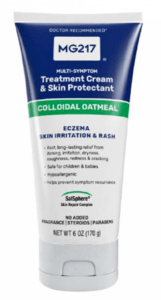
Pharmacal has voluntarily recalled one lot of MG217 Multi-Symptom Treatment Cream & Skin Protectant Eczema Cream after testing identified contamination with Staphylococcus aureus (S. aureus), a bacterium capable of causing serious infections in susceptible individuals.
The recall applies to Lot 1024088 (expiration November 2026) of the 6-ounce tube product, which was distributed nationwide through wholesale distributors, retailers including HEB Grocery, and online sellers such as Amazon.
Risk to Patients
According to the company, use of the contaminated product could lead to infections ranging from localized skin infections to severe, life-threatening illness. The greatest risk is to individuals with weakened immune systems, compromised skin, open wounds or burns, or skin disorders such as eczema.
Because eczema often disrupts the skin’s protective barrier, contaminated topical products may provide bacteria with a pathway into deeper tissues or the bloodstream.
Potential complications include skin and soft tissue infections, bloodstream infections, bone and joint infections, infective endocarditis, and sepsis and septic shock. Pharmacal reported that it has not received any adverse event reports related to the recalled lot.
Affected Product
The recall is for MG217 Multi-Symptom Treatment Cream & Skin Protectant Eczema Cream (6 oz tube).
Lot Number: 1024088
Expiration Date: November 2026
Product Code: 5106
UPC: 012277051067
Consumers can identify the affected product by locating the lot number on the crimped end of the tube.
What Consumers Should Do
Consumers who have the recalled product should stop using it immediately, discard the affected tube, and contact a healthcare provider if they have experienced signs of infection or other adverse reactions after using the product.
Pharmacal is notifying distributors and arranging for returns of recalled inventory.
MDP Perspective
Microbial contamination recalls involving topical drug products deserve careful attention because these products are frequently applied to skin that is already damaged or inflamed. In this case, the intended users, patients with eczema, may have compromised skin barriers, increasing their susceptibility to infection.
Although no illnesses have been reported, this recall illustrates why manufacturers of non-sterile topical drug products must maintain robust microbiological control throughout production, packaging, and quality testing. Effective environmental monitoring, validated manufacturing processes, preservative effectiveness, and routine microbial testing are essential elements of current Good Manufacturing Practice (CGMP) for preventing contamination and protecting patient safety.
As with many FDA recalls, the absence of reported injuries should not be interpreted as an absence of risk. Early identification of contamination and prompt product removal remain critical components of an effective pharmaceutical quality system.
Links
Read the FDA Announcement here.
When Preventable Diseases Return
Diseases once brought under control through vaccination have returned with devastating consequences. Historical outbreaks in the former Soviet Union and Japan offer important lessons as the United States confronts its largest measles resurgence in decades.For...
Intersurgical 22mm Smoothbore Breathing Tubes and Systems
FDA Issues Early Alert for Intersurgical Breathing Systems Over Potential Ventilation Failure. Manufacturing defect may cause breathing tube connectors to separate during use, potentially interrupting ventilation and exposing patients to serious injury or death.The...
FDA Early Alert: Teleflex/Arrow Guidewire
Affected guidewires and catheter products may release hydrophilic polymer particles into the bloodstream, potentially causing serious injury or death. No serious injuries or deaths have been reported.The U.S. Food and Drug Administration (FDA) has issued an Early...
Pimicotinib (Pimjetmi) for Tenosynovial Giant Cell Tumor
On November 10, 2026, the Food and Drug Administration approved pimicotinib (Pimjetmi, EMD Serono, Inc.), a kinase inhibitor, for adults with symptomatic tenosynovial giant cell tumor (TGCT) for which surgical resection may cause worsening functional limitation or...
The Wolverine Peptide Stack: What We Know
Promoted for faster healing and injury recovery, two experimental peptides are attracting growing consumer interest despite limited human clinical evidence and unresolved safety questions.The promise sounds almost too good to be true: faster recovery from injuries,...
Hims & Hers Moves Into Selling Unapproved Peptides
Telehealth company's planned expansion illustrates how quickly commercial markets are responding to changes in federal oversight of experimental therapies.Hims & Hers Health plans to begin offering new wellness treatments in November, including an unapproved...