
Dietary Supplements
FDA Regulation of Dietary Supplements
Dietary supplements are widely used in the United States to support health, nutrition, and wellness. Unlike prescription drugs, however, dietary supplements are regulated under a distinct legal and regulatory framework administered by the U.S. Food and Drug Administration (FDA).
Dietary supplements occupy a unique position within the U.S. regulatory landscape. While the DSHEA framework supports consumer access to nutritional products, it also places substantial responsibility on manufacturers to ensure product safety, quality, and compliance.
For companies operating in this space, strong quality systems, transparent labeling practices, and responsible marketing claims are essential for maintaining regulatory compliance and consumer trust.
Understanding how supplements are regulated, and the limits of that regulation, is important for consumers, healthcare professionals, and manufacturers.
The Legal Framework: DSHEA
The primary law governing dietary supplements in the United States is the Dietary Supplement Health and Education Act (DSHEA) of 1994.
DSHEA amended the Federal Food, Drug, and Cosmetic Act (FD&C Act) and established dietary supplements as a separate regulatory category within foods, rather than drugs.
Under this framework dietary supplements are regulated as foods, not pharmaceuticals. Manufacturers are responsible for ensuring the safety and labeling compliance of their products before they enter the market. And FDA generally acts after products reach the marketplace, rather than approving them in advance.
This structure reflects Congress’s intent to preserve consumer access to supplements while maintaining FDA authority to take enforcement action against unsafe or misbranded products.
What Is a Dietary Supplement?
Under DSHEA, a dietary supplement is a product intended to supplement the diet that contains one or more dietary ingredients. The ingredients may include vitamins, minerals, herbs or botanicals, amino acids, enzymes, and other dietary substances, including metabolites, extracts, or organ tissues.
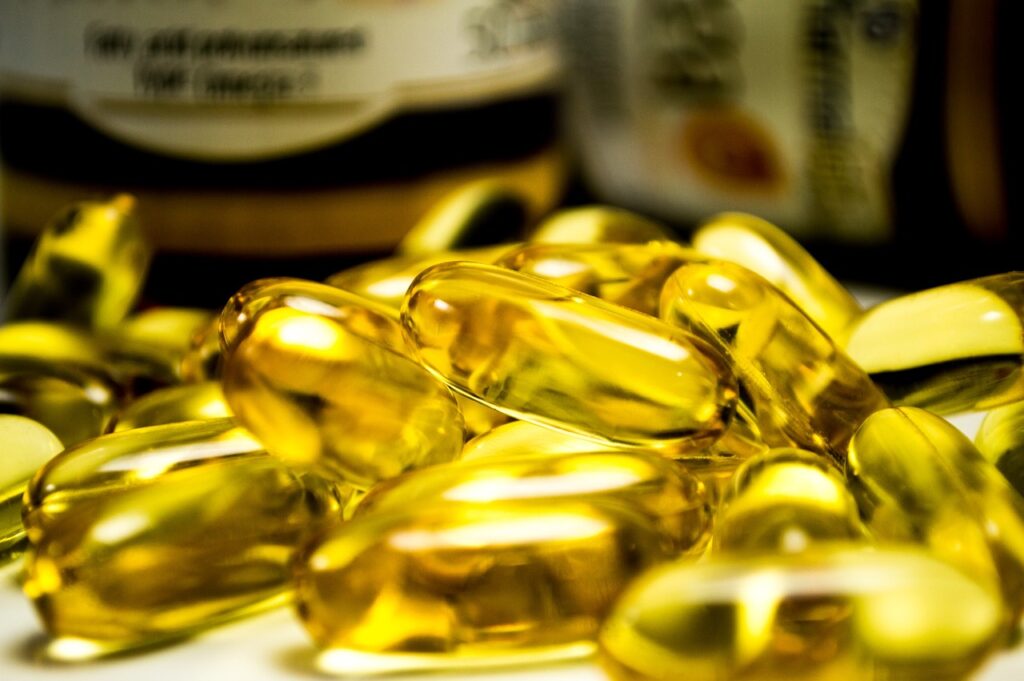
Dietary supplements are typically consumed orally and are available in forms such as tablets, capsules, softgels, powders, liquids, and gummies or other ingestible formats. And unlike conventional foods, dietary supplements are not represented as a sole item of a meal or the entire diet.
Premarket Approval: What FDA Does (and Does Not) Approve
One of the most common misunderstandings about supplements is the role of FDA before products reach the market. In fact, FDA has no premarket oversight of supplements because most dietary supplements do not require FDA approval before they are sold.
Instead, manufacturers are responsible for ensuring that the product is safe for consumption, the labeling is truthful and not misleading, and the product complies with applicable FDA regulations.
FDA typically becomes involved after a product is marketed, particularly if safety concerns arise.
Key Differences Between Supplements and Drugs
Understanding the regulatory distinction between dietary supplements and drugs is essential.
| Dietary Supplements | Drugs |
| Regulated as foods | Regulated as pharmaceuticals |
| Generally, no premarket approval | Require FDA approval before marketing |
| Structure/function claims allowed | Must demonstrate safety and effectiveness |
| Manufacturer responsible for safety | FDA evaluates safety and efficacy before approval |
These differences explain why supplement regulation often emphasizes quality control and labeling accuracy rather than premarket evaluation of effectiveness.
How the Moringa Outbreaks Could Have Been Prevented
How This Could Have Been Prevented: A Quality Systems Perspective An MDP Consumer and Industry Brief After multiple moringa-linked Salmonella events, one uncomfortable truth is now clear. Even under DSHEA, manufacturers can do far more to prevent microbial...
Now the Salmonella in Moringa Is Drug-Resistant
Now the Salmonella in Moringa Is Drug-Resistant. That Changes the Stakes. An MDP Consumer and Industry Brief Salmonella contamination is serious in any consumer product. But one of the most concerning developments in the latest moringa-related outbreak investigation...
Why These Salmonella Outbreaks Keep Happening
Why These Salmonella Outbreaks Keep Happening: “Illness First, Controls Later” An MDP Consumer and Industry Brief When people hear “FDA is investigating,” they often assume the system detected a safety problem early and intervened. In many dietary supplement...
Four Moringa-Linked Salmonella Events in Four Months
Four Moringa-Linked Salmonella Events in Four Months: The Timeline That Should Not Exist An MDP Consumer and Industry Brief A single recall can be dismissed as a one-time failure. Two recalls in the same ingredient category raise questions. But when moringa-based...