The 30-Year Consequences of DSHEA
A direct cause of the supplement safety crisisHow a 1994 Law Created Today’s Dietary Supplement Crisis
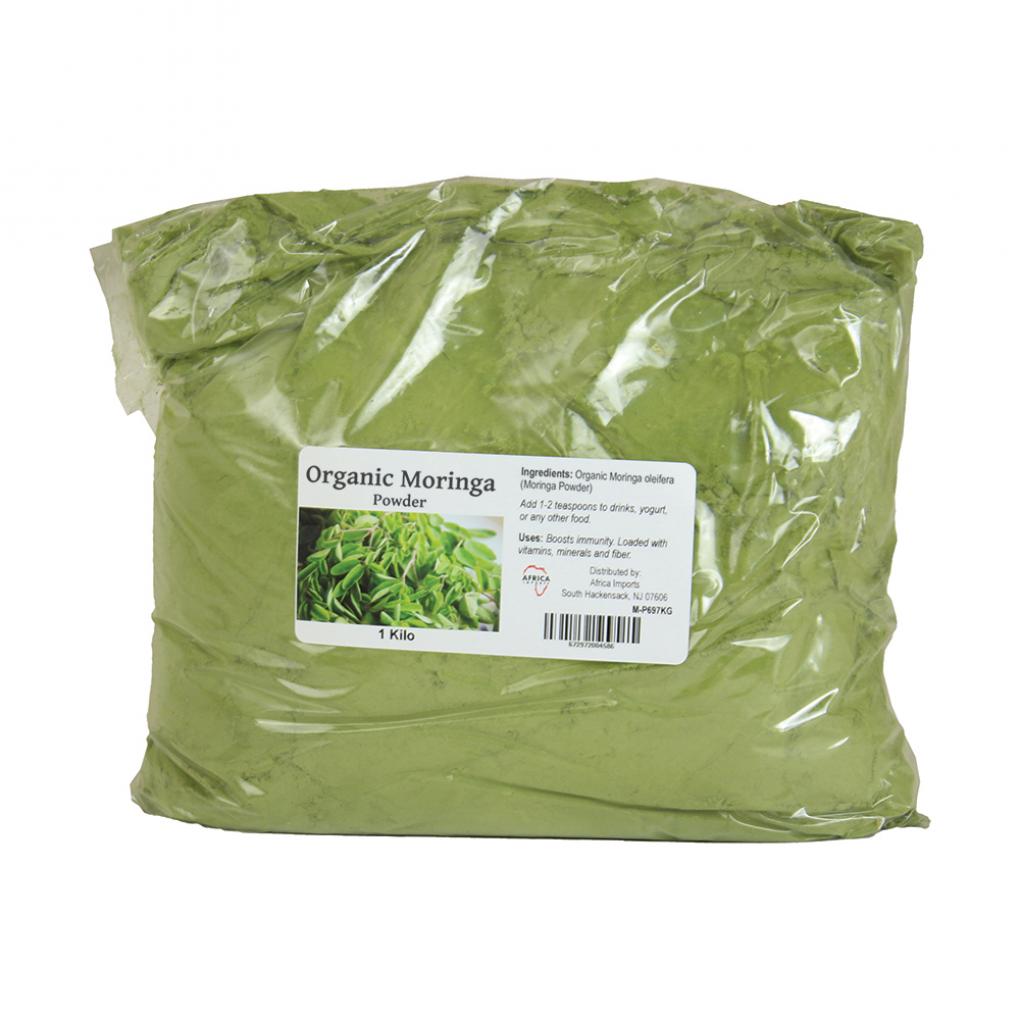
In light of the current moringa contamination recalls affecting national retailers and dozens of downstream manufacturers, many consumers are asking the same question: How did this happen?
The answer leads us back to a single piece of legislation passed more than 30 years ago – a law celebrated as “consumer freedom” at the time, but one that has since proven to be one of the most consequential deregulatory acts in modern public health.
That law is the Dietary Supplement Health and Education Act of 1994, better known as DSHEA. And its legacy is the system we live with today: A sprawling $50+ billion supplement marketplace where oversight is minimal, risks are poorly understood, and the FDA’s hands are tied until people become sick.
It is time to acknowledge an uncomfortable truth: DSHEA’s structure has failed consumers, and we are now paying the price.
A law born not from evidence, but from political pressure
Unlike major reforms to drug, device, or food safety systems, DSHEA was not driven by scientific data or public health needs. It was the product of intense corporate lobbying from supplement manufacturers, a national fear campaign claiming FDA planned to “ban vitamins,” a bipartisan political calculus that made resisting the industry seem risky, and two powerful Senate champions (Hatch and Harkin) with deep ties to the supplement marketplace
Instead of strengthening safety oversight during a period of booming supplement growth, DSHEA intentionally placed supplements outside the normal regulatory framework – creating a new category of products that behave like drugs but are regulated like food.
This was not a mistake. It was the design.
What DSHEA actually did – and why it matters today
DSHEA fundamentally changed the rules by allowing supplements to be sold on the market without premarket safety testing. No clinical trials, no safety data, no FDA review.
Manufacturers can launch products first and deal with consequences later.
Requiring FDA to prove harm after people are injured
Unlike drugs, where manufacturers must prove safety, DSHEA flipped the burden.
The FDA must gather evidence, build a case, and meet legal thresholds before intervening – often after injuries occur.
Blocking FDA from requiring quality or potency standards
Companies can legally sell supplements that have inconsistent potency, contain undisclosed ingredients, or are contaminated with bacteria or heavy metals
Limiting FDA authority to remove dangerous products
Even egregiously harmful supplements face long delays while companies continue to sell them.
Allowing companies to make “structure/function” claims that sound medical
Terms like “supports immunity,” “promotes joint health,” or “boosts metabolism” sell products while avoiding regulatory scrutiny.
The real-world consequences: Recalls, contamination, and supply chain gaps
The current moringa contamination recalls illustrate perfectly how DSHEA’s structure breaks down.
A contaminated raw ingredient enters the U.S. without testing. Suppliers are not required to test each batch. Many do not.
Importers sell contaminated ingredients to dozens of manufacturers. Each manufacturer then blends, repackages, or distributes the ingredient under their own brand.
There are no unified tracking or mandatory disclosure standards. Downstream manufacturers often don’t know the full supply chain of their own products.
Consumers only hear about a recall after someone gets sick. Because DSHEA denies FDA meaningful premarket authority.
Recalls are partial and fragmented
The importer recalls its own branded product. The blender recalls its own formula. Retailers notify their customers (or don’t). And consumers have little idea whether other products containing the same ingredient are safe.
Conclusion
This chaotic, patchwork response is not an accident. It is the predictable consequence of a regulatory framework that prioritizes commercial freedom over consumer protection.