Blaine Labs, Inc Issues Voluntary Nationwide Recall of Wound Care Gel Products Due to Microbial Contamination
Potential infection risk for vulnerable patients highlights critical quality system considerations
Recall Overview
Blaine Labs, Inc. has issued a voluntary nationwide recall of select lots of antiseptic wound care gel products due to microbial contamination.
Company: Blaine Labs, Inc.
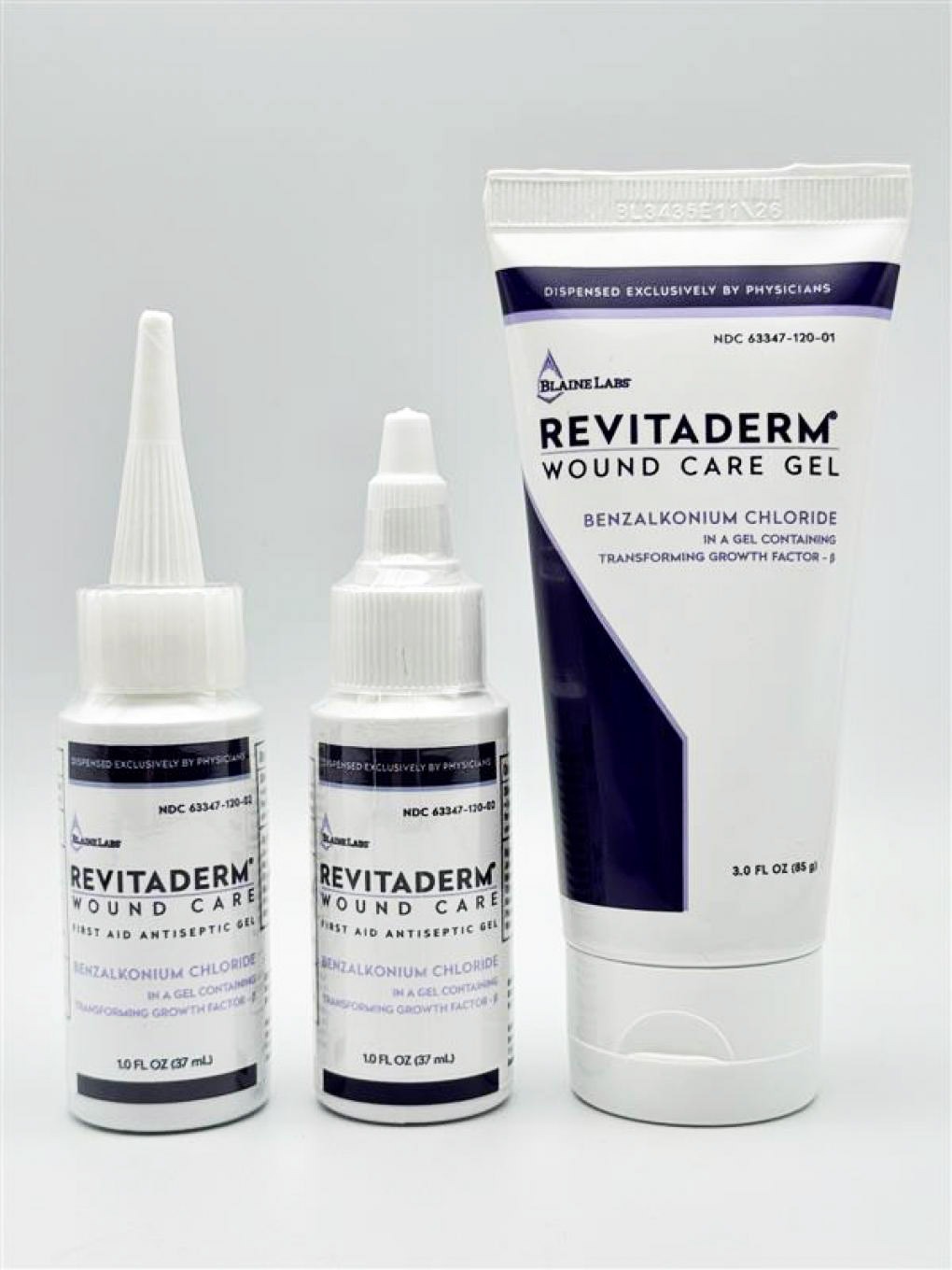
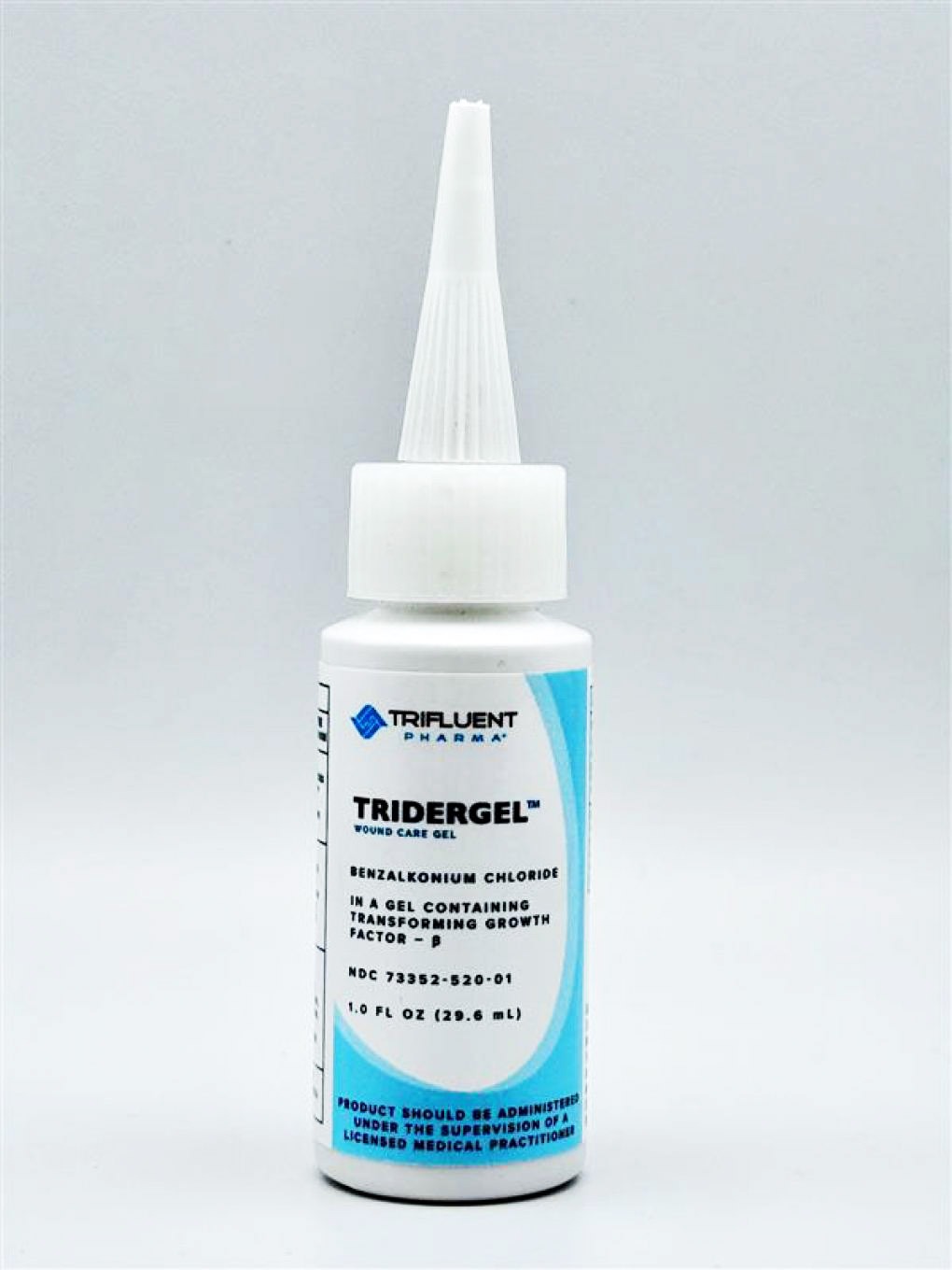
Brand Names: Revitaderm®, Tridergel™
Product Type: Drug (Topical antiseptic)
FDA Publish Date: April 8, 2026
Reason: Presence of Lysinibacillus fusiformis
Affected Products
Affected products were distributed nationwide to healthcare providers (non-retail).
Revitaderm® Wound Care Antiseptic Gel (1 oz. & 3 oz.)
Active Ingredient: Benzalkonium Chloride 0.1%
Affected lots:
- BL3608 (Exp. 07/01/28)
- BL3435 (Exp. 11/06/26)
- BL3525 (Exp. 08/07/27)
Tridergel™ Wound Care (1 oz.)
Active Ingredient: Benzalkonium Chloride 0.1%
Affected lot: BL3435 (Exp. 11/06/26)
Risk Assessment
The contamination involves Lysinibacillus fusiformis, a spore-forming environmental organism. While generally low risk for healthy individuals, the risk profile changes significantly for patients with open wounds, diabetic patients, elderly individuals, and immunocompromised populations.
Potential outcomes include local infection, skin irritation, delayed wound healing, and severe complications (rare), that include endocarditis, a central nervous system infection.
Clinical Context
This recall is particularly notable because the product is intended to prevent infection. Contamination in this context represents a reversal of intended function, increasing risk rather than mitigating it.
MDP Regulatory and Quality Insight
This event highlights several critical areas of concern.
Microbiological Control in Non-Sterile Drug Products
Even though these are non-sterile topical products, they must meet microbial limits and have an absence of objectionable organisms.
The presence of a spore-forming organism suggests potential gaps in environmental control, inadequate preservative effectiveness, and possible manufacturing or packaging contamination pathways.
Risk-Based Product Use Consideration
Topical antiseptics that are used on broken skin or other compromised tissue functionally behave like higher-risk products. This raises the question of whether certain “non-sterile” products be tested with enhanced microbial controls?
Distribution Channel Risk
Products were distributed to physician offices and other clinical settings. This increases risk because product use is likely on vulnerable patient populations where traceability and recall effectiveness become critical.
CAPA and Root Cause Expectations
Regulators will expect a full root cause investigation, to include an evaluation of water systems, raw materials, environmental monitoring, and packaging integrity.
What Healthcare Providers Should Do
Healthcare providers who have these products should immediately identify and segregate affected lots, discontinue use and distribution, and contact Blaine Labs for return instructions.
Adverse Events
To date, no adverse events have been reported. However, given the risk population, monitoring is warranted.
MDP Perspective
This recall underscores a critical principle, that product classification does not always reflect real-world risk. A “non-sterile” topical product that is applied to compromised tissue, especially in vulnerable populations, can present risks closer to those of sterile products if contamination occurs.
Key Takeaways for Manufacturers
Manufacturers of topical products should reevaluate microbial control strategies, strengthen environmental monitoring programs, validate preservative systems rigorously, and consider risk-based escalation of controls for wound care products.
Contact Information
Blaine Labs, Inc.
📞 (800) 307-8818
📧 Contact@blainelabs.com
Links
Read the FDA’s announcement here.
Pharmacal Recalls MG217 Eczema Cream
Pharmacal Recalls MG217 Eczema Cream Due to Staphylococcus aureus ContaminationFDA posts nationwide recall after microbial contamination found in topical skin treatment Pharmacal has voluntarily recalled one lot of MG217 Multi-Symptom Treatment Cream & Skin...
Cefazolin Injection Recalled Due to Cardboard in Sterile IV Solution
Baxter Recalls Cefazolin Injection Sterile IV SolutionCardboard Particulate Matter Found in a Sterile Intravenous Infusion Bag Baxter International has voluntarily recalled one lot of Cefazolin in Dextrose Injection, USP, 2 g/100 mL after a report of cardboard...
Editorial: Two Days Later, Another Moringa Recall
Recurring Moringa Recalls Highlight Ongoing Supply Chain Concerns On July 17, the U.S. Food and Drug Administration officially closed its investigation into a multistate Salmonella outbreak linked to MOGO-brand moringa capsules. The outbreak was not insignificant....
Moringa Capsules Recalled for Potential Salmonella Contamination
Zen Principle Recalls Moringa Capsules After FDA Detects Salmonella in Raw Ingredient Relay Peak Research LLC, doing business as Zen Principle Naturals, has voluntarily recalled one lot of its Zen Principle® Moringa Capsules after learning that the raw moringa leaf...
Eight Months of Moringa Salmonella Outbreaks
Recurring Salmonella Outbreaks Raise Questions About Supplement Oversight Since November 2025, the U.S. Food and Drug Administration has investigated and coordinated multiple recalls involving moringa dietary supplements contaminated with Salmonella. What initially...
FDA Closes Moringa Salmonella Outbreak Investigation
The U.S. Food and Drug Administration and the Centers for Disease Control and Prevention have concluded their investigation into a multistate Salmonella Typhimurium outbreak linked to MOGO-brand moringa powder capsules distributed by MOGO Moringa LLC of St. Louis,...