
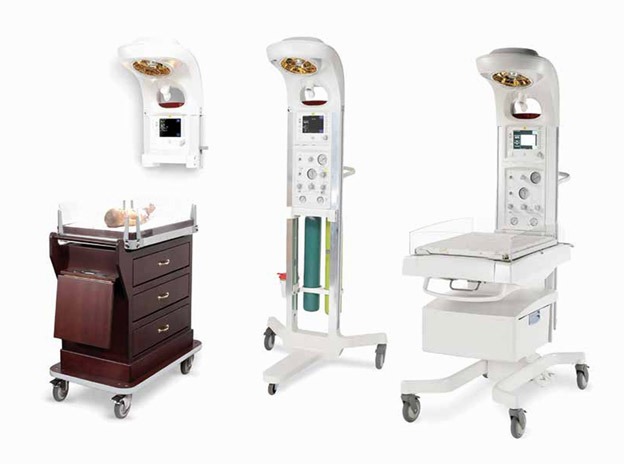
FDA Issues Early Alert for GE HealthCare Infant Resuscitation Systems Due to Oxygen Blender Issue
Early Alert for GE HealthCare Infant Resuscitation Systems
The U.S. Food and Drug Administration (FDA) has issued an Early Alert regarding a potentially high-risk issue affecting certain GE HealthCare infant resuscitation systems and warmers used in neonatal care settings.
The issue involves specific air-oxygen blenders used in affected devices. According to GE HealthCare, the blender knob shaft may loosen over time, potentially causing the delivered oxygen concentration to differ from the concentration selected by the user.
Because these systems are used to provide oxygen and ventilation support to infants during resuscitation and stabilization, inaccurate oxygen delivery could result in either hypoxia (insufficient oxygen) or hyperoxia (excessive oxygen exposure), both of which may pose significant risks to neonatal patients.
Affected Devices
The alert affects certain configurations of:
-
- Giraffe6 Stand-Alone Infant Resuscitation Systems
- Giraffe6 Warmers with Integrated Resuscitation Systems (iRes)
- Panda Warmers with Integrated Resuscitation Systems (iRes)
- Panda Freestanding Warmers
- Certain replacement blender assemblies (M1091607-R)
Healthcare facilities should review FDA and GE HealthCare communications to determine whether devices in service contain affected blender components.
Recommended Actions
GE HealthCare has advised customers to immediately inspect affected equipment and identify any units containing impacted blenders.
If an affected blender is identified, GE recommends removing the device from patient use until corrective actions can be completed.
For facilities that must continue using affected systems prior to correction, GE HealthCare recommends:
-
- Completing all pre-use inspection and checkout procedures before each patient use
- Performing the blender Multipoint Oxygen Concentration Check described in the service manual
- Frequently verifying oxygen concentration using an independent oxygen analyzer
- Removing any device from service if inspection or performance checks fail
Facilities should also evaluate spare inventory and quarantine affected replacement blenders.
Regulatory Perspective
The FDA’s Early Alert process is intended to rapidly communicate potentially serious device issues before the agency completes its full evaluation.
While no serious injuries or deaths have been reported as of May 20, 2026, the potential for inaccurate oxygen delivery in neonatal resuscitation settings elevates the significance of this issue. Neonates are particularly vulnerable to both under-oxygenation and over-oxygenation, making oxygen concentration accuracy a critical performance characteristic for these devices.
This alert serves as a reminder of the importance of preventive maintenance, pre-use verification testing, and robust equipment management programs for life-supporting and life-sustaining medical devices.
MDP Takeaway
Healthcare facilities using GE HealthCare neonatal warming and resuscitation systems should promptly identify affected devices, review GE HealthCare’s field action instructions, and verify that clinical engineering, respiratory therapy, and neonatal care teams are aware of the issue.
Given the critical nature of neonatal resuscitation equipment, organizations should ensure corrective actions are completed as quickly as possible and consider heightened monitoring of oxygen delivery performance until affected units are remediated.
MDP will continue monitoring FDA communications and provide updates as additional information becomes available.
Links
Read the FDA’s announcement here.
Download the List of Affected Products

Pharmacal Recalls MG217 Eczema Cream
Pharmacal Recalls MG217 Eczema Cream Due to Staphylococcus aureus ContaminationFDA posts nationwide recall after microbial contamination found in topical skin treatment Pharmacal has voluntarily recalled one lot of MG217 Multi-Symptom Treatment Cream & Skin...
Cefazolin Injection Recalled Due to Cardboard in Sterile IV Solution
Baxter Recalls Cefazolin Injection Sterile IV SolutionCardboard Particulate Matter Found in a Sterile Intravenous Infusion Bag Baxter International has voluntarily recalled one lot of Cefazolin in Dextrose Injection, USP, 2 g/100 mL after a report of cardboard...
Editorial: Two Days Later, Another Moringa Recall
Recurring Moringa Recalls Highlight Ongoing Supply Chain Concerns On July 17, the U.S. Food and Drug Administration officially closed its investigation into a multistate Salmonella outbreak linked to MOGO-brand moringa capsules. The outbreak was not insignificant....
Moringa Capsules Recalled for Potential Salmonella Contamination
Zen Principle Recalls Moringa Capsules After FDA Detects Salmonella in Raw Ingredient Relay Peak Research LLC, doing business as Zen Principle Naturals, has voluntarily recalled one lot of its Zen Principle® Moringa Capsules after learning that the raw moringa leaf...
Eight Months of Moringa Salmonella Outbreaks
Recurring Salmonella Outbreaks Raise Questions About Supplement Oversight Since November 2025, the U.S. Food and Drug Administration has investigated and coordinated multiple recalls involving moringa dietary supplements contaminated with Salmonella. What initially...
FDA Closes Moringa Salmonella Outbreak Investigation
The U.S. Food and Drug Administration and the Centers for Disease Control and Prevention have concluded their investigation into a multistate Salmonella Typhimurium outbreak linked to MOGO-brand moringa powder capsules distributed by MOGO Moringa LLC of St. Louis,...