
Angiographic Syringe Recall: Medline Removes RA Control Syringes Due to Risk of Disconnection and Air Embolism
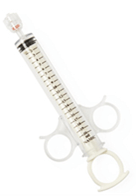
The U.S. Food and Drug Administration (FDA) has announced that Medline Industries has issued an Urgent Medical Device Recall involving certain Namic Angiographic Rotating Adaptor (RA) Control Syringes. The affected devices are being removed from use and distribution due to a defect that may cause the syringe adaptor to loosen or disconnect during procedures and creating a risk of serious patient harm.
Device Use
The Namic Angiographic Control Syringe is used for intra-arterial or intravenous delivery and administration of radiographic contrast media during angiographic procedures.
Affected Devices
The recall includes Namic Angiographic Rotating Adaptor (RA) Control Syringes and convenience kits containing RA control syringes. A full list of affected products is available for download on the right column of this page.
Reason for the Recall
Medline identified that the rotating adaptor component may unwind during use, leading to a loose connection or a complete disconnection between syringe and manifold. Both would be a critical failure of a pressure-bearing fluid pathway.
Potential Risks to Patients and Providers
If the device connection fails, potential adverse events include blood loss, biohazard exposure, infection, and the introduction of air into the line. Air embolism is a primary concern, because it can lead to serious injury, life-threatening complications, and death.
As of March 13, four serious injuries have been reported, with no deaths reported.
Required Actions for Healthcare Providers
Medline has instructed customers to take the following actions immediately.
Identify and Quarantine. Inspect your inventory for affected devices and remove and isolate all impacted products.
Destroy Affected Syringes. Do not return the recalled products. Destroy affected RA syringes after completing the recall documentation.
Modify Affected Kits. Apply over-labels to kits containing affected syringes and ensure the removal and disposal of affected products prior to use.
Notify Distribution Channels. Inform any downstream users or facilities and ensure full communication of recall risk.
Emergency Use (Limited Exception). In rare circumstances where no alternative device is available and delay would pose significant patient risk, the device may be used with extreme caution. Manually stabilize all connections, follow with strict adherence the Instructions for Use, and employ continuous and full-time monitoring throughout the procedure.
Note: This is a last-resort scenario, not standard practice.
Regulatory Status
This has been classified as an Urgent Medical Device Recall, indicating a high-risk issue with potential for serious harm. The FDA is monitoring the situation and will provide updates as additional information becomes available.
MDP Insight
This recall highlights several critical quality system failure points.
Design and Mechanical Integrity
A rotating adaptor failure indicates potential issues in the robustness of the mechanical design, insufficient design and testing of the torque resistance / locking mechanisms, and a potential lack of product validation under real-world use conditions.
Human Factors and Use Conditions
Devices that require manual stabilization during use indicate design limitations, an increased reliance on user intervention, and an elevated procedural risk.
Supplier and Component Control
Component-level failures often trace back to supplier variability due to material or manufacturing inconsistencies.
Postmarket Surveillance and CAPA
Detection of this issue reflects the importance of complaint trending, the need for a rapid CAPA response, and the integration of field performance data into system improvements.
This is a textbook example of how design, manufacturing, and postmarket systems must function together
Key Takeaway
A failure at a connection interface, even a small component, can create a system-level risk of patient safety hazards and regulatory exposure. This reinforces the need for robust design validation, strong supplier quality controls, integrated postmarket surveillance, and effective CAPA systems.
Links
Read the FDA’s announcement here.
Read the related FDA warning letter here.
Download the List of Affected Products

Pharmacal Recalls MG217 Eczema Cream
Pharmacal Recalls MG217 Eczema Cream Due to Staphylococcus aureus ContaminationFDA posts nationwide recall after microbial contamination found in topical skin treatment Pharmacal has voluntarily recalled one lot of MG217 Multi-Symptom Treatment Cream & Skin...
Cefazolin Injection Recalled Due to Cardboard in Sterile IV Solution
Baxter Recalls Cefazolin Injection Sterile IV SolutionCardboard Particulate Matter Found in a Sterile Intravenous Infusion Bag Baxter International has voluntarily recalled one lot of Cefazolin in Dextrose Injection, USP, 2 g/100 mL after a report of cardboard...
Editorial: Two Days Later, Another Moringa Recall
Recurring Moringa Recalls Highlight Ongoing Supply Chain Concerns On July 17, the U.S. Food and Drug Administration officially closed its investigation into a multistate Salmonella outbreak linked to MOGO-brand moringa capsules. The outbreak was not insignificant....
Moringa Capsules Recalled for Potential Salmonella Contamination
Zen Principle Recalls Moringa Capsules After FDA Detects Salmonella in Raw Ingredient Relay Peak Research LLC, doing business as Zen Principle Naturals, has voluntarily recalled one lot of its Zen Principle® Moringa Capsules after learning that the raw moringa leaf...
Eight Months of Moringa Salmonella Outbreaks
Recurring Salmonella Outbreaks Raise Questions About Supplement Oversight Since November 2025, the U.S. Food and Drug Administration has investigated and coordinated multiple recalls involving moringa dietary supplements contaminated with Salmonella. What initially...
FDA Closes Moringa Salmonella Outbreak Investigation
The U.S. Food and Drug Administration and the Centers for Disease Control and Prevention have concluded their investigation into a multistate Salmonella Typhimurium outbreak linked to MOGO-brand moringa powder capsules distributed by MOGO Moringa LLC of St. Louis,...